OUR SOLUTION
The Approach
.png)
We bridge the gap between global environmental data and the farmers who can act on it.
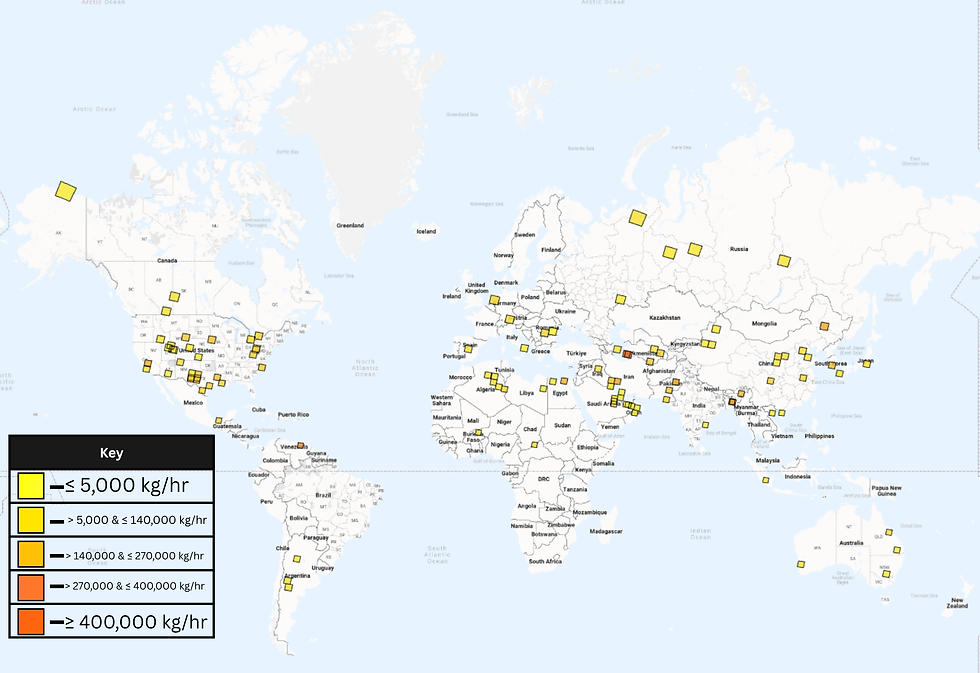
Using satelite-based pollution monitoring, we identify high-risk methane and air-quality hotspots linked to cattle operations. Once these hotspots are mapped, we connect farmers to sustainable methane-reducing feed additives. To be exact, we utilize seaweed-based supplements that are proven to cut methane emissions by up to 80-90%.
Our approach empowers farmers with:
-
Actionable insights from NASA-derived satelite data
-
Access to affordable, science-backed feed solutions
-
Support in reducing pollution that harms nearby communities
-
A pathway toward healthier herds and healthier air
By combining space technology, sustainable agriculture, and public-health innovation, we help to protect the health of nearby communities from pollution-related diseases while supporting farmers in transitioning to cleaner, climate-smart practices.
Learn how we’re helping farmers transition to cleaner, healthier practices.


How Farmers Can Get Started
-
Identify your hotspot
- Farmers can begin by checking whetehr their region appears in methane or air-quality hotspot data. Satelite-based monitoring highlights areas with elevated emissions, helping farmers understand how methane from cattle contributes to local air pollution and community health risks -
Learn About Feed Additives
- Seaweed-based feed additives are natural supplements that reduce methane produced during digestion. They work by altering fermentation in the cow's stomach, lowering emthane output without harming the animal. These additives are safe, sustainable, and offer environmental and public-health benefits by improving air quality. -
Connect With a Supplier
- Farmers can explore availble seaweed-based feed additives through trusted suppliers and partner organizations. This includes directories, informational resources, and opportunities to request access to sustainable feed solutions that fit their existing operations. -
Implementation Overview
- Seaweed additives can be mixed into standard feed systems with minimal changes. Farmers often begin with small pilot batches to observe how the additive integrates into their routine. Monitoring tools can help track improvements over time, and no major infrastructure upgrades are required to get started. -
Track Your Impact
- After adooption, farmers can monitor estimated methane reductions, improvements in local air quality, and broader community health benefits. These outcomes support global health goals by reducing pollution-related risks and contributing to cleaner, healthier environments.